

Root Canal Therapy

Tooth pain may develop when decay or an injury allows bacteria to reach the pulp, the soft tissue inside the tooth that contains nerves and blood vessels. As the pulp becomes inflamed or infected, you may experience persistent discomfort, sensitivity, swelling, or pain when biting. Root canal therapy clears the affected tissue from inside the tooth before the area is cleaned and sealed. If you are considering root canal therapy Grosse Pointe Woods, MI, Faircourt Dental can evaluate your symptoms and determine whether the procedure may help preserve your natural tooth.
What Is Root Canal Therapy?
Every tooth has a soft center called the pulp, which contains nerves and blood vessels. When harmful bacteria reach this area through decay or injury, it can lead to inflammation, discomfort, or an abscess.
Root canal therapy removes the infected tissue, gently cleans the inside of your tooth, and seals it to protect against future problems.
Despite its name, root canal therapy focuses on the inner chamber and narrow canals within the tooth rather than the tooth roots themselves. Its purpose is to address infection or damage affecting the pulp while preserving the natural tooth structure.
After the affected tissue has been cleared and the canals sealed, the tooth can remain in the mouth and continue contributing to your bite. Depending on how much healthy structure remains, a filling or dental crown may be recommended to rebuild and protect the visible portion of the tooth.
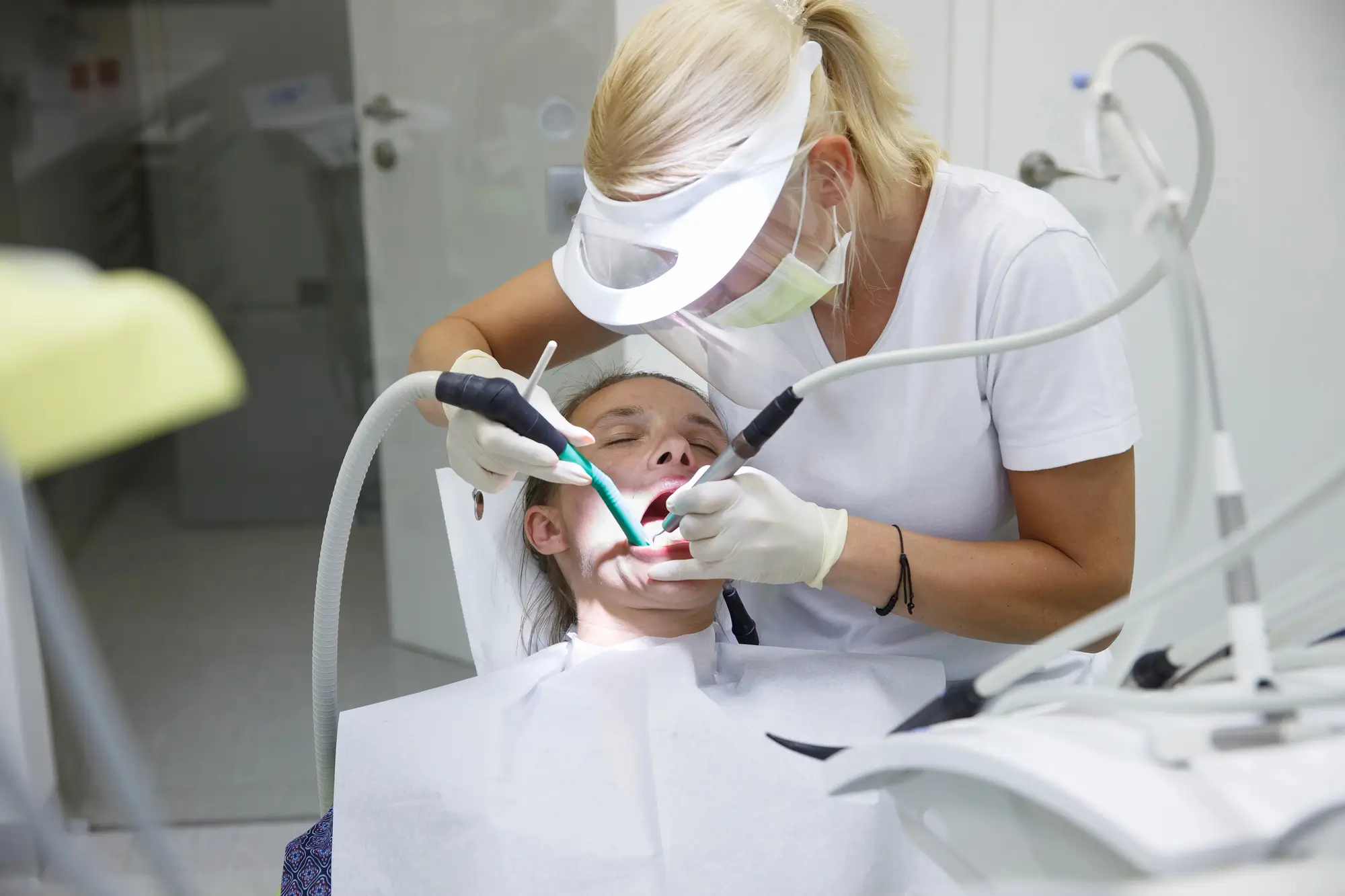


What Happens During Root Canal Therapy
Step One: First, we examine your tooth and take digital X‑rays to plan the treatment. Local anesthesia keeps you numb, and sedation options are available if you need additional relaxation.First, we examine your tooth and take digital X‑rays to plan the treatment. Local anesthesia keeps you numb, and sedation options are available if you need additional relaxation.
The examination and images help the dentist assess the tooth, its roots, and the surrounding tissues before beginning. The dental team can also discuss your comfort needs and whether sedation may be appropriate for your appointment.
Step Two: A small rubber dam keeps the tooth dry while we open it to reach the infected pulp. The damaged tissue is removed, and the canals are cleaned and disinfected.
The rubber dam also separates the affected tooth from the rest of the mouth during the procedure. After reaching the pulp chamber, the dentist carefully clears the affected tissue from the chamber and the narrow canals within each root. Cleaning and disinfecting these spaces prepare them for sealing.
Step Three: Then we fill and seal the canals with a safe material called gutta‑percha. Finally, the tooth is closed with a filling, and many teeth get a crown for added strength and protection.
Gutta-percha fills the cleaned canal spaces and helps seal them against bacterial entry. The access opening is then closed to protect the inside of the tooth. The type of restoration placed afterward depends on the tooth’s location, condition, and remaining healthy structure.
Most patients feel only mild tenderness afterward, which usually fades in a few days, leaving the tooth healthy and comfortable.
Step Four: Your dental team will provide instructions for the period after your appointment. If a crown is recommended, attending the follow-up visit allows the visible portion of the tooth to be rebuilt and protected.
When Do You Need Root Canal Therapy?
You might need root canal therapy if a tooth’s pulp becomes infected or irritated.
Changes inside a tooth are not always visible from the outside. Symptoms may develop when inflammation or infection begins affecting the pulp and surrounding tissues. The type and intensity of discomfort can vary according to the condition of the tooth.
Common signs include:
- Persistent toothache
- Sensitivity to hot or cold
- Discomfort when biting
- Swelling around the affected area
- Visible discoloration of the tooth
A persistent toothache may feel constant or return throughout the day. Temperature sensitivity may continue after the hot or cold item is no longer touching the tooth. Swelling can appear around the gum near the affected area, while discoloration may indicate changes within the tooth.
These symptoms do not confirm that you need root canal therapy because other dental concerns can cause similar discomfort. An examination and digital X-rays allow Dr. Salim to assess the tooth and determine the source of the problem.
Does a Root Canal Hurt?
Modern dentistry has made root canal therapy a comfortable experience for most patients. At Faircourt Dental, we use local anesthesia and gentle techniques so that the procedure feels similar to receiving a filling.
The pain associated with an infected or irritated pulp is often more noticeable than the procedure itself. During your appointment, you may feel pressure or movement while the dentist works, but the area remains numb. Tell the dental team if you feel anxious or uncomfortable so they can discuss ways to support your comfort.
Are There Alternatives to Root Canal Therapy?
The main alternative to a root canal is having the tooth removed. While taking out the tooth may seem easier at first, it can lead to gaps that affect chewing, bite alignment, and overall oral health.
Keeping your natural tooth with root canal therapy usually provides the best results.
Whether a tooth can remain in place depends on its condition, the amount of healthy structure left, and the tissues surrounding it. Dr. Salim will examine the tooth and review digital X-rays before explaining which approach may be appropriate.
If extraction is recommended, the space left behind may need to be addressed with a dental implant, bridge, or denture. Faircourt Dental offers each of these tooth replacement options. The suitable restoration will depend on the location and number of missing teeth, jawbone health, and the condition of nearby teeth.
When the tooth can be preserved, root canal therapy clears the infected tissue, seals the canals, and allows the natural tooth to continue supporting your bite. Preserving it may also avoid the additional procedures involved in replacing a missing tooth. A filling or crown may be placed afterward to rebuild the visible portion. The recommendation will be based on the clinical findings rather than symptoms alone.

Can You Reduce Your Risk of Needing Root Canal Therapy?
Not every problem affecting the tooth pulp can be avoided, particularly when a tooth is injured. However, maintaining good oral hygiene and addressing dental concerns early may reduce the chance of decay progressing into the inner portion of a tooth.
Steps that support your dental health include:
- Brush your teeth twice a day to control plaque and bacteria.
- Floss daily to clean the spaces a toothbrush cannot easily reach.
- Attend regular dental examinations so changes can be identified early.
- Have cavities addressed before decay extends deeper into the tooth.
- Schedule an evaluation after a dental injury, even if the tooth initially feels comfortable.
- Do not ignore persistent pain, lingering sensitivity, swelling, or discomfort when biting.
- Ask whether dental sealants may benefit teeth that are prone to cavities.
Faircourt Dental takes a preventive approach through routine checkups, early detection, and proactive dental care. These habits can help maintain your natural teeth and reduce the likelihood of more complex dental procedures.
Protect Your Smile with Gentle, Expert Root Canal Therapy
Root canal therapy at Faircourt Dental is designed for comfort and long-term results. If tooth pain, temperature sensitivity, swelling, or discomfort while biting is affecting your day, an evaluation can help identify what is happening inside the tooth.
Dr. Salim will examine the affected area and review digital X-rays to determine whether root canal therapy may help preserve your natural tooth. If you are considering root canal therapy in Grosse Pointe Woods, MI, contact Faircourt Dental to schedule an appointment. Our team can explain the procedure, discuss your comfort needs, and answer your questions before care begins. Schedule your visit today!
Contact us
Use the contact information below, and our team will be happy to assist!
Our Location
20040 Mack Ave, Grosse Pointe Woods, MI 48236Office Hours
Monday to Wednesday 8:00 AM – 4:30PM
Thursday 9:00 AM – 3:00 PM
Friday to Sunday CLOSED